The Question That Changed Everything
I remember the exact moment this research became inevitable. It was a Tuesday afternoon in my organizational behaviour class at Thompson Rivers University, a small community university situated on unceded Secwépemc territory in British Columbia’s interior. A student raised her hand and asked a question that would unravel my entire teaching practice:
“Where do I put grandmother’s leadership wisdom?”
She wasn’t being rhetorical. She had just completed our module on Western leadership theory, transformational, transactional, servant leadership, the usual canon, and she genuinely wanted to know where her grandmother’s teachings about collective decision-making and relational accountability fit within the frameworks I had just taught her. I stood there, seventeen years into my career as a contract faculty member, and realized I had no good answer. The curriculum I was delivering had no space for her grandmother.
Image 1: The Empty Space
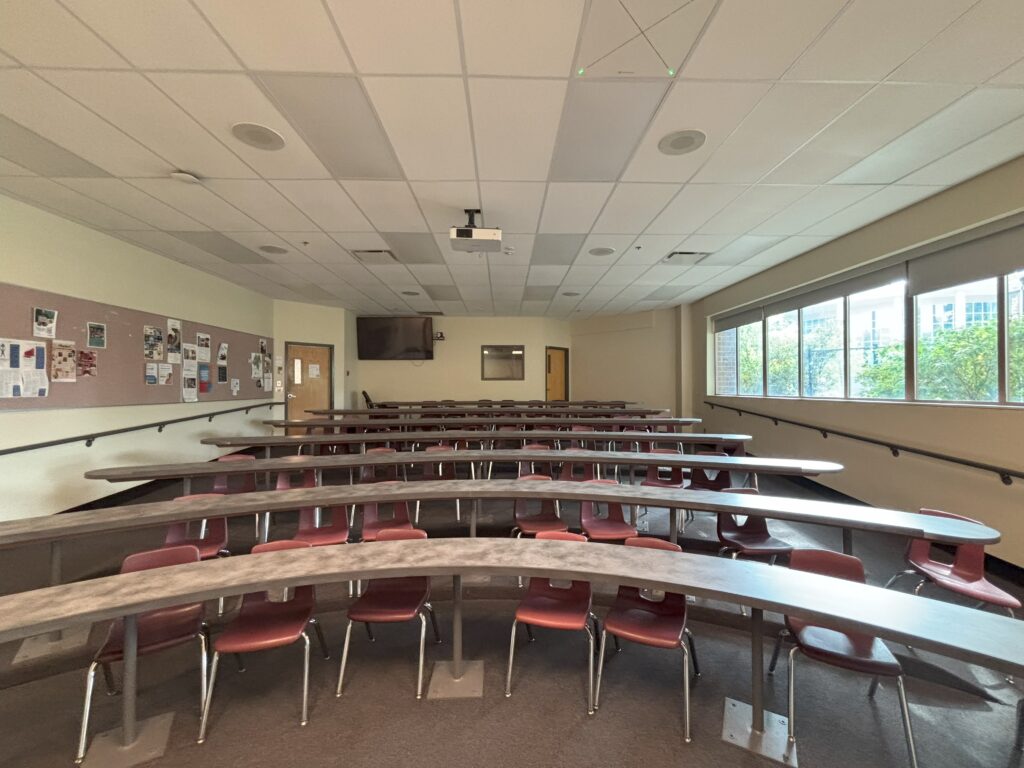
Photo Credit: Jesal Thakkar, Research Assistant, 2025
When Inclusion Performs Exclusion
That question exposed something I had been living but hadn’t yet named: the violence of erasure that happens when institutions claim to value diversity while structurally excluding the knowledge systems that marginalized students bring with them. This is what I now call malperformative inclusion, a concept that extends Sara Ahmed’s work on non-performativity to describe how institutions can actively demonstrate awareness of equity problems while simultaneously maintaining the very conditions that produce harm. It’s not that universities fail to achieve inclusion. It’s that they perform inclusion in ways that actually deepen exclusion.
Figure 1: The Cycle of Malperformative Inclusion
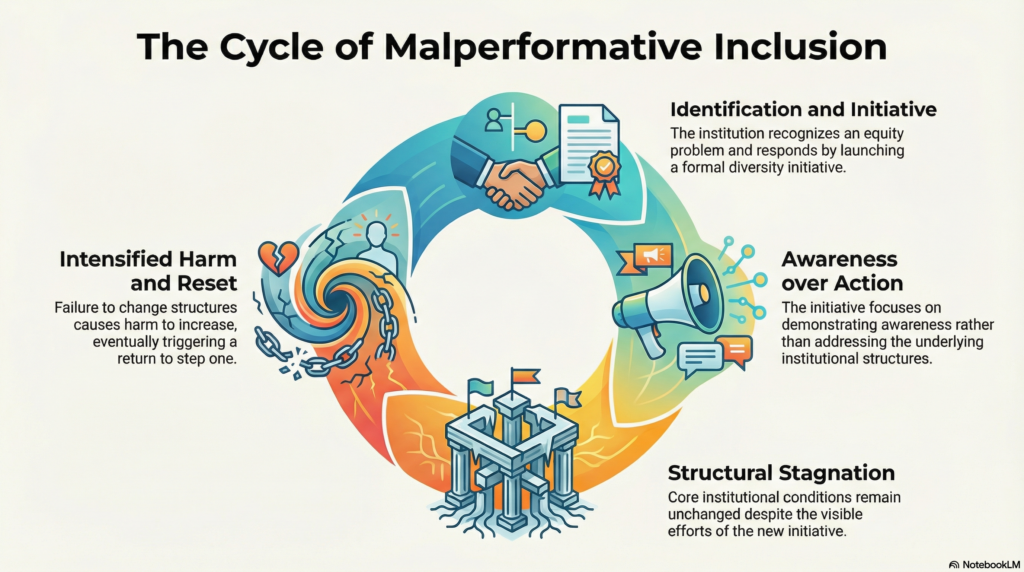
Credit: NotebookLM, 2026
Braiding Methods, Blending Witness
My dissertation, “Through Their Eyes,” investigates this contradiction by braiding together two research approaches that don’t typically appear in the same study: photovoice, a participatory visual methodology where participants use photography to document and analyze their own experiences, and scholarly personal narrative, an approach that treats the researcher’s lived experience as legitimate analytical data rather than bias to be eliminated. I call this combination blended witnessing, because it allows me to stand in solidarity with my research participants, four international business students navigating precarious positions within Canadian higher education, while honouring the crucial differences in our vulnerabilities.
Image: Blended Witnessing
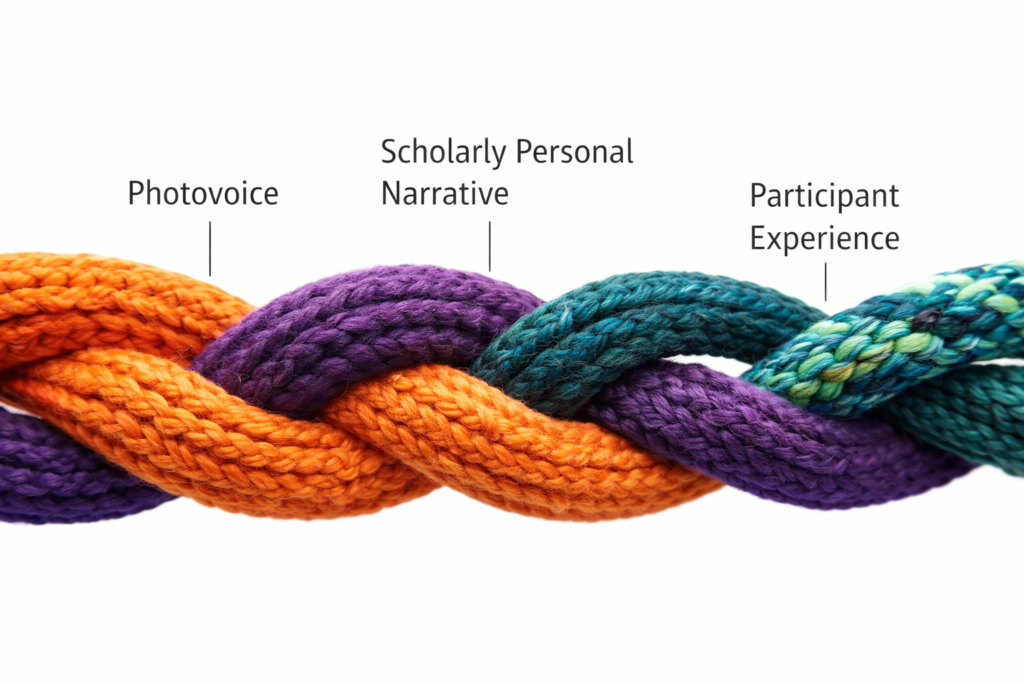
Credit: ChatGPT Dalle 3, 2026
Precarity Has Many Faces—But Not Equal Stakes
Here’s what makes this research complicated in ways I could not have anticipated: I occupy dual positioning as both researcher and subject. As contract faculty for nearly two decades, I have experienced the same neoliberal academic structures that render my participants precarious. Neoliberal academia refers to the transformation of universities into market-driven enterprises in which education becomes a commodity, students become consumers, and labour becomes casualized through an increasing reliance on contract and adjunct positions. Yet my precarity as a non-tenured Canadian instructor differs from the precarity my student participants face as temporary residents, whose study permits, work authorization, and future immigration prospects depend on maintaining good academic standing and continuous enrollment. I use the term asymmetrical precarity to name how we share structural vulnerabilities while experiencing vastly different stakes.
Figure 2: Asymmetrical Precarity
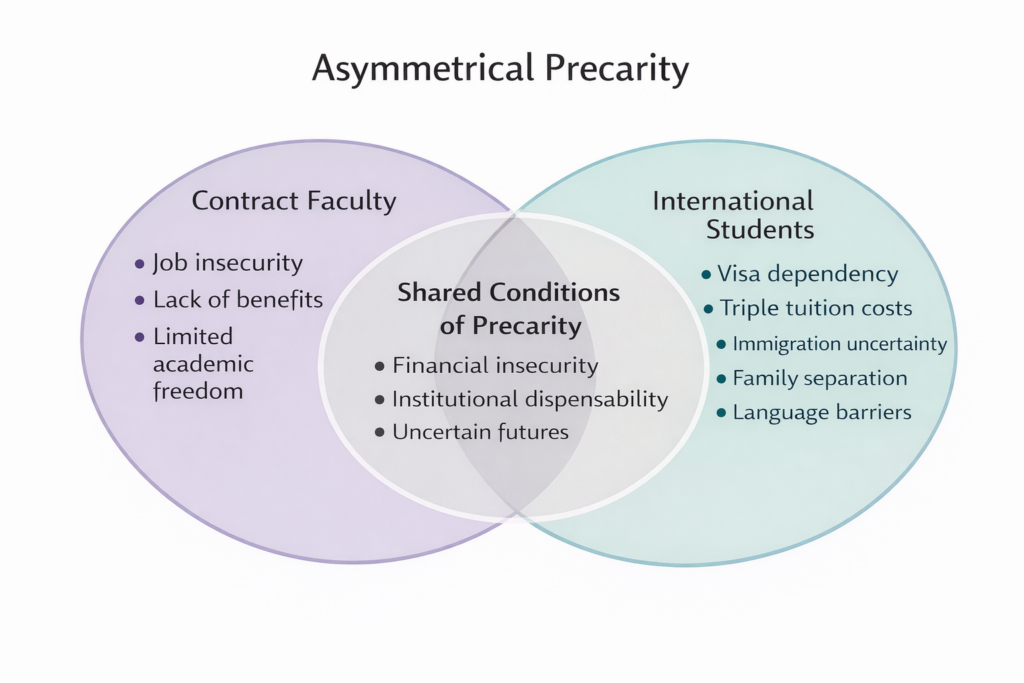
Credit: ChatGPT Dalle 3, 2026
The Infrastructural Visibility Moment
The timing of this research coincided with what I call an “infrastructural visibility moment.” In January 2024, the federal government announced a study permit cap that reduced the number of international student permits by 35-45%. Suddenly, universities that had built entire business models on international student tuition, students who often pay three to five times what domestic students pay, faced budget crises. The cap made visible what had been naturalized: Canadian post-secondary institutions’ deep financial dependence on international students as revenue sources rather than as learners with inherent worth.
Figure 3: The Federal Cap: From Enrolment Growth to Campus Crisis
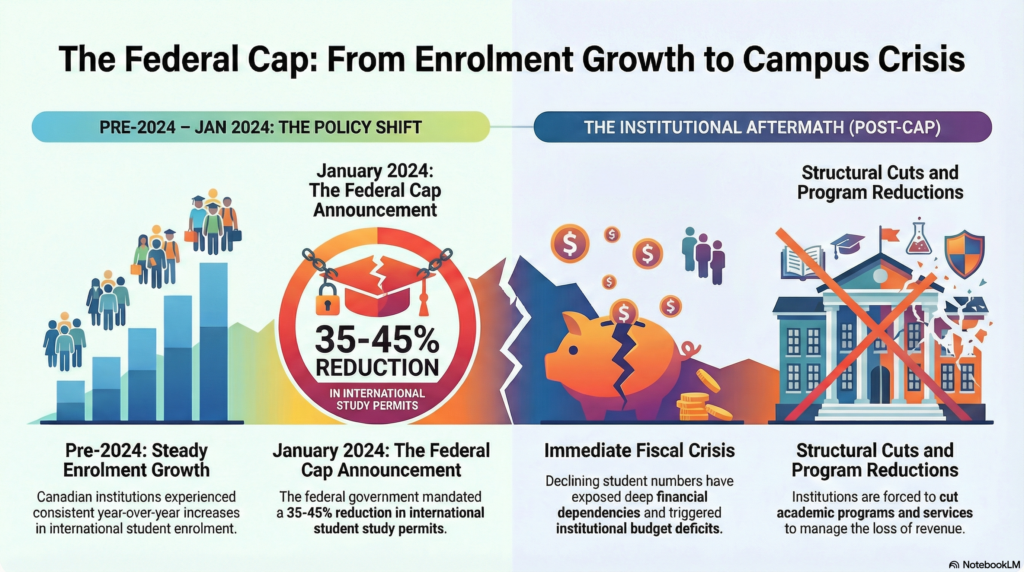
Credit: NotebookLM, 2026
The Participants: Four Students and a Ghost
During the summer of 2025, I worked with four students I identified by Greek-letter pseudonyms: P1 Alpha, P2 Beta, P4 Delta, and P5 Epsilon. A fifth participant, P3 Gamma, withdrew from the study due to work commitments. Rather than treating this withdrawal as data loss, I reframe it as Ghost Data, structural evidence about the very precarious conditions my research investigates. When students must choose between participating in research about their educational experiences and working enough hours to afford to remain students, that choice itself becomes data.
Image 3: Ghost Data
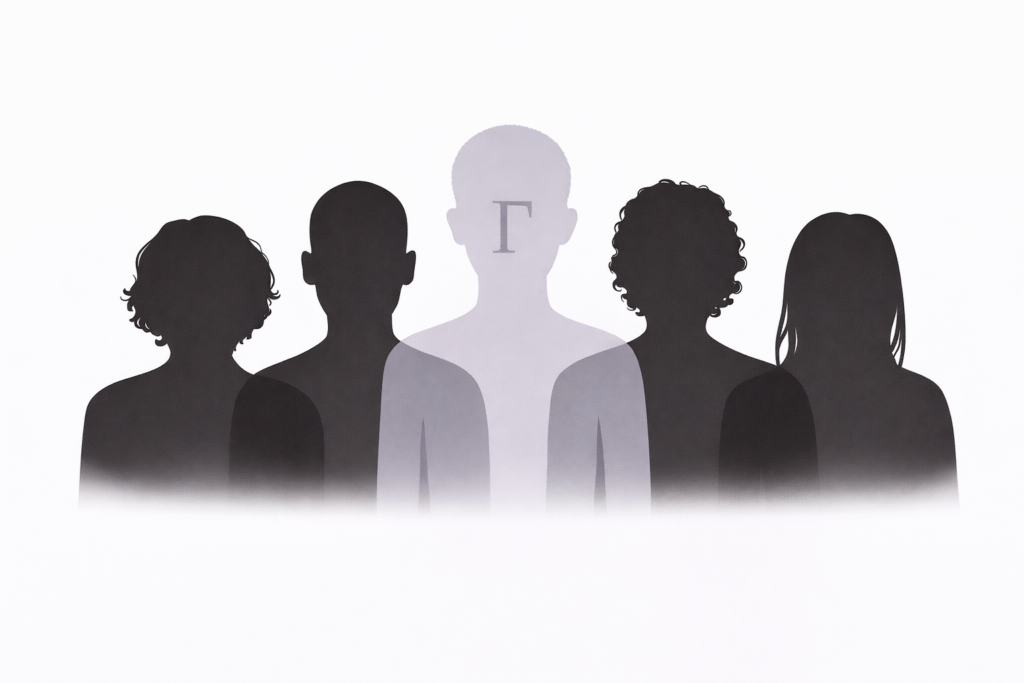
Credit: ChatGpt, Dalle 3, 2026
What This Blog Will Explore
Through this blog, I’ll share what I’m learning about how marginalized students navigate institutions that simultaneously need them financially and exclude them epistemologically. I’ll explore how visual research methods can serve as tools of resistance, how personal narrative can function as rigorous scholarship, and how those of us positioned at various margins might bear witness to each other’s struggles without collapsing our differences. Most importantly, I’ll wrestle with what it means to conduct research about institutional harm while remaining employed within that same institution.
Image 3: Thompson Rivers University
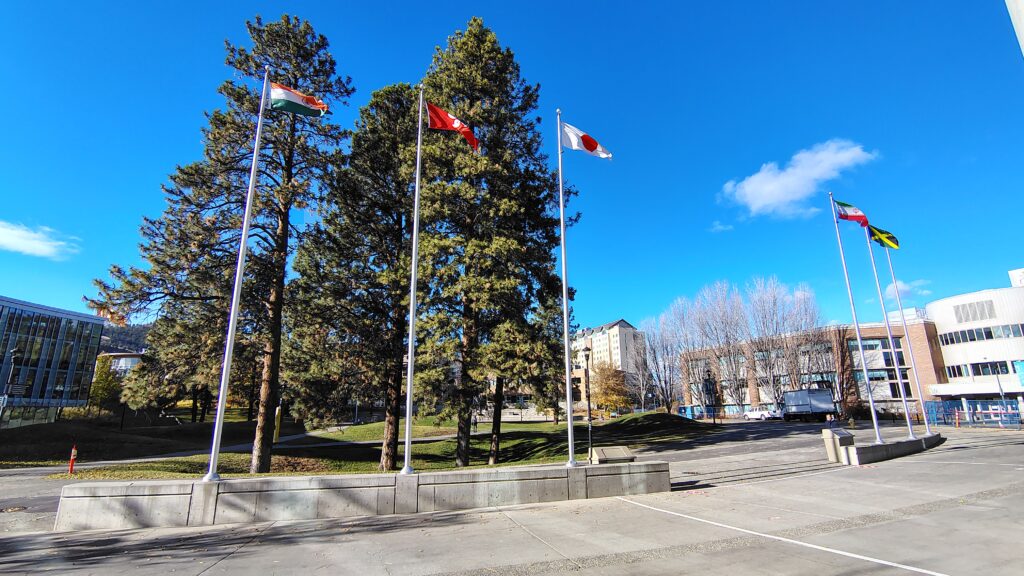
Photo Credit: Jesal Thakkar, Research Assistant, 2025
An Invitation to the Margins
This is research born from that Tuesday afternoon question about grandmothers and leadership. It’s my attempt to create space, methodological, theoretical, and practical, for all the knowledge that gets asked to wait outside while Western frameworks take up all the room inside.
Image 4: Open Door
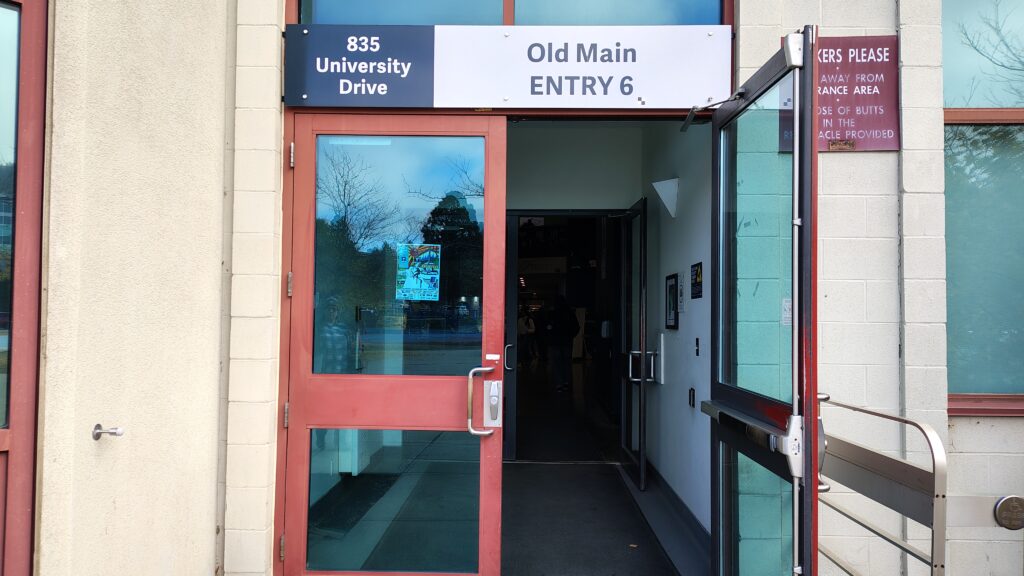
Photo Credit: Jesal Thakkar, Research Assistant, 2025